Kashmir Mutton Dealers Warn of Strike Over Punjab Transit Charges, Raise Supply Concerns
By: News Desk | 21 October 2026
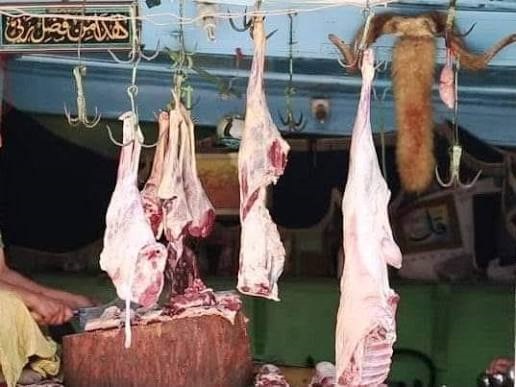
Srinagar: Kashmir’s mutton trade is facing fresh uncertainty after the All Kashmir Wholesale Mutton Dealers Association warned of a possible strike over alleged unauthorised collections from livestock-carrying trucks passing through Punjab. The dispute has raised concerns about the uninterrupted supply of sheep to the Valley, particularly during the busy wedding season, when demand for mutton traditionally increases.
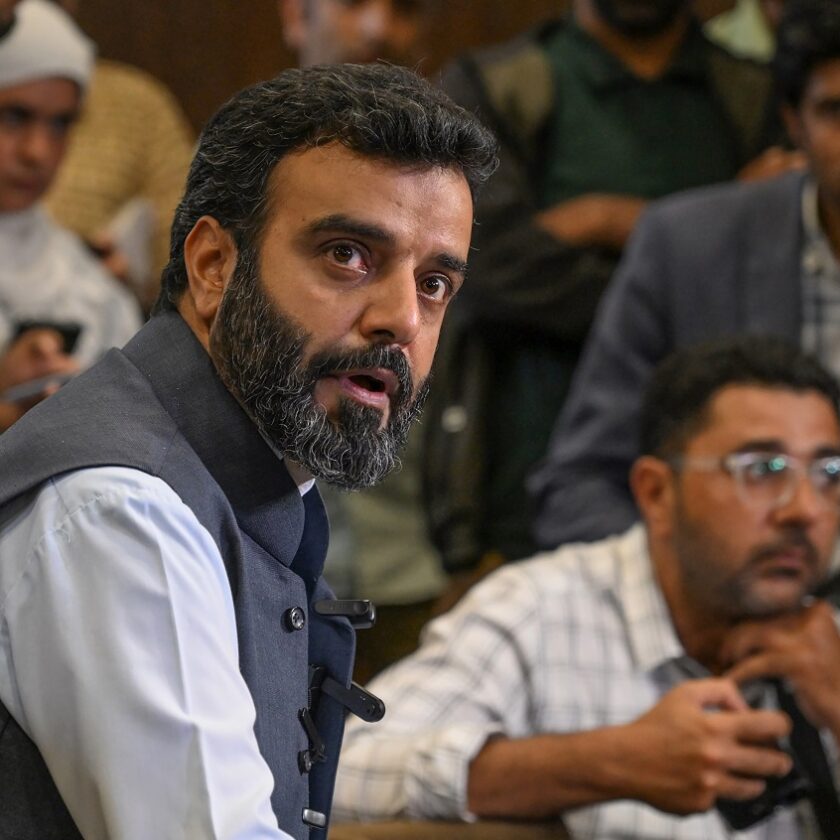
Mehraj-ud-din Ganaie, general secretary of the association, has alleged that transporters bringing livestock to Jammu and Kashmir are being charged around ₹10,000 per vehicle at Shambhu Border and Madhopur in Punjab under what traders describe as a transit tax.
The association maintains that the animals are purchased in other states and transported through Punjab en route to Kashmir, making the alleged collections unjustified. According to the traders, the additional payments are increasing the cost of transporting livestock and placing further pressure on an already sensitive supply chain.
The renewed warning comes months after a similar dispute disrupted livestock imports into the Valley, prompting protests by dealers and intervention by the Jammu and Kashmir government.
Ganaie has described the continuing difficulties as an administrative failure, arguing that repeated representations and assurances have not delivered a lasting solution. He has travelled to Chandigarh and planned to meet Aam Aadmi Party MP Sanjay Singh to seek intervention in the matter.
There is, however, an important distinction between the traders’ allegations and an officially established tax. The reported ₹10,000 collection has not been independently verified as a legally authorised levy. The central issue remains whether livestock trucks merely passing through Punjab are being subjected to charges or obstruction despite carrying the required documentation.
Why Kashmir’s Mutton Supply Is Under Pressure Again
The latest warning revives a dispute that previously brought the movement of livestock to a halt and raised fears of a shortage across Kashmir.
In June, mutton dealers suspended fresh livestock imports after alleging that transporters were being stopped and charged substantial amounts at checkpoints in Punjab. Traders reported collections ranging from ₹15,000 to ₹25,000 per truck, with some accounts citing even higher demands.
The disruption affected supplies to the Valley and raised concerns among households preparing for weddings and other social functions. Mutton is a central ingredient in Kashmiri wazwan, the traditional multi-course meal served at many weddings and important gatherings.
The Jammu and Kashmir government subsequently took up the matter with Punjab. Chief Minister Omar Abdullah wrote to his Punjab counterpart, Bhagwant Mann, seeking intervention to ensure the unhindered movement of livestock vehicles carrying animals purchased outside Punjab.
The issue was also discussed at the administrative level. In July, the Kashmir Mutton Dealers Association called off its strike after receiving a communication from the Punjab government addressing the movement of livestock vehicles.
However, the association expressed reservations about the response, saying it did not explicitly provide the exemption from cattle-fair charges that traders had sought for vehicles merely transiting through the state.
The traders agreed to monitor the implementation of the directions, leaving the underlying question of enforcement unresolved from their perspective.
The October warning suggests that the association remains concerned about the practical effect of those earlier measures. Whether the reported collections have continued at the same locations, and under what circumstances, requires confirmation from the relevant Punjab authorities.
What Are the Alleged Transit Charges?
At the heart of the dispute is the treatment of livestock trucks travelling from animal markets in states such as Rajasthan and Haryana, as well as other northern Indian markets, to Jammu and Kashmir.
According to traders, these vehicles use Punjab as a transit corridor rather than purchasing or selling livestock within the state. They argue that a vehicle simply passing through should not be subjected to a cattle-fair-related charge intended for transactions conducted within Punjab.
The association alleges that transporters have been asked to pay approximately ₹10,000 per vehicle at Shambhu Border and Madhavpur. Earlier reports during the June dispute recorded higher alleged collections, with traders citing amounts of ₹15,000 to ₹25,000 per truck.
The difference between the figures may reflect changes in the amounts demanded, variations between locations or differences in individual accounts. The available reports do not establish a single, uniformly applicable charge for every vehicle.
The legal question is equally important. A fee associated with a cattle fair or a livestock transaction is not automatically the same as a general transit tax. Establishing whether a particular collection is lawful requires examination of the applicable rules, the authority under which it is imposed and the circumstances of the transaction.
In its earlier communication, the Punjab government outlined a process for verifying livestock purchase and sale documents and addressing complaints through designated grievance officers. It distinguished livestock transactions conducted within Punjab from vehicles transporting animals purchased elsewhere through the state.
That distinction is central to the current dispute. If traders are carrying valid documentation and the animals are merely passing through Punjab, the relevant authorities need to establish whether the reported collections comply with the applicable rules and administrative directions.
Earlier Government Intervention Has Not Ended the Dispute
The involvement of both governments demonstrates that the issue extends beyond an ordinary commercial disagreement.
In late June, Omar Abdullah sought the intervention of Bhagwant Mann after the traders reported difficulties transporting livestock through Punjab. The Jammu and Kashmir government said an internal examination had raised concerns about substantial payments allegedly being demanded from transporters without an apparent legal basis.
The government-level engagement was followed by steps to improve coordination and grievance redressal in Punjab. Traders subsequently withdrew their strike, but the association maintained that the communication it received did not fully address its demand for an explicit exemption for transit vehicles.
The episode illustrates the difference between issuing administrative directions and ensuring that they are followed consistently on the ground.
For transporters, the practical test is whether a truck can travel through the state without unnecessary stoppages or unauthorised demands. For authorities, the task is to verify documents, enforce applicable regulations and prevent legitimate livestock movements from being obstructed.
The latest warning makes renewed coordination between the two governments important. A durable solution would require clear written instructions, accessible complaint mechanisms and a process for investigating specific allegations of unauthorised collection.
Punjab’s position on the latest allegations, including whether any new directions have been issued since the earlier intervention, should be established before the dispute is treated as conclusively resolved or as proof of a new officially imposed tax.
Why the Dispute Matters During Kashmir’s Wedding Season
The timing of the warning is significant because mutton occupies an important place in Kashmir’s food culture and wedding economy.
Wazwan, the traditional feast served at many Kashmiri weddings, relies heavily on meat dishes. Mutton is also purchased for family gatherings, religious occasions and other celebrations.
When livestock deliveries are disrupted, the impact can extend beyond wholesale traders. Butchers may face difficulty replenishing stocks, restaurants may have to adjust their menus, and families organising weddings may find it harder to arrange supplies at the expected price.
The June strike demonstrated how quickly a transport dispute can become a wider market concern. Contemporary reports described shortages in the Valley and worries among families preparing for weddings.
That experience explains why the association’s latest warning has attracted attention. Even the possibility of another interruption can create uncertainty for wholesalers, retailers and event organisers planning purchases in advance.
However, a warning of a possible strike does not itself establish that a fresh shortage has begun. The actual effect will depend on whether the association suspends imports, how much livestock is already available in the market and whether transporters continue deliveries while negotiations proceed.
For consumers, the most relevant indicators will be the arrival of fresh livestock, the availability of meat at retail counters and changes in local selling prices.
Could Mutton Prices Rise in Kashmir?
The renewed dispute raises a reasonable question for consumers: could the additional transport costs translate into higher mutton prices?
The possibility exists, but the extent of any increase cannot be determined from the alleged per-truck collection alone.
Livestock transport costs are one component of the final price of meat. Dealers must also account for the purchase price of animals, loading and unloading, transportation, handling, losses, labour and other operating expenses.
If a transporter is required to make an additional payment, the trader may absorb the cost, negotiate with the transporter or attempt to pass some of it on to buyers. The outcome depends on the scale of the charge, market competition, available supply and the bargaining position of the parties involved.
A prolonged disruption could create a more direct supply problem. If fewer livestock trucks reach the Valley, wholesale availability may tighten, putting upward pressure on prices if demand remains strong.
The opposite is also possible in the short term if stocks are adequate or deliveries continue despite the dispute.
Earlier reports during the June crisis documented concerns about higher retail prices and reduced availability. Those reports provide context, but they do not establish that mutton prices have risen again in October.
For an accurate picture, current retail prices need to be compared with recent prices in the same markets, using consistent measures and comparable grades of meat. Without that information, claims of a fresh price surge would be premature.
Transport Delays Also Raise Animal Welfare Concerns
The dispute has implications beyond the financial burden on traders.
Livestock carried over long distances requires appropriate transport conditions, including adequate ventilation, sufficient space and compliance with applicable animal-transport regulations.
When vehicles are held for extended periods, animals may be exposed to additional stress, particularly if delays occur in unsuitable weather or without adequate arrangements for water, ventilation and rest.
During the June dispute, traders raised concerns about prolonged stoppages and the risks they posed to livestock. These allegations underline why the movement of animals should be managed through clear procedures and lawful checks rather than unnecessary delays.
At the same time, livestock transporters must comply with the applicable documentation and animal-welfare requirements. Authorities are entitled to verify compliance with relevant rules, and the presence of a commercial dispute does not remove those obligations.
A workable system must therefore protect lawful movement while ensuring that animals are transported safely and that genuine regulatory violations are addressed.
What the Association Wants From Authorities
The association’s immediate demand is a lasting resolution to the alleged collections from livestock vehicles passing through Punjab.
Its position is that traders should not face additional charges merely because their vehicles use Punjab as a route to Jammu and Kashmir, provided the livestock has been purchased elsewhere and the required documents are in order.
The latest warning indicates that the association may intensify its protest if the issue remains unresolved. Ganaie’s planned meeting with AAP MP Sanjay Singh is another attempt to secure political intervention.
For the dispute to be resolved, however, the process will need to go beyond assurances.
A clear administrative order explaining the rules applicable to livestock in transit could reduce uncertainty for traders and checkpoint personnel alike. Authorities could also publish the details of designated grievance officers, establish a time-bound procedure for complaints and review specific incidents in which transporters allege that unauthorised payments were demanded.
Such steps would help distinguish legitimate regulatory enforcement from improper collection and give transporters a clear channel for obtaining relief.
They would also reduce the risk that a disagreement over individual truck movements develops into another supply disruption affecting the wider Valley.
A Supply-Chain Issue With Consequences for Consumers
The recurring dispute highlights the vulnerability of a food supply chain that depends on livestock moving across state boundaries.
Kashmir’s mutton market relies on supplies from outside the Union Territory. When transport becomes more expensive or less predictable, the effects can travel through the chain from wholesalers to butchers and ultimately to consumers.
The problem is not limited to whether a particular charge is justified. It also concerns the reliability of the route, the consistency of enforcement and the ability of businesses to plan deliveries without facing unexpected delays.
For households, particularly those preparing for weddings or other large gatherings, the immediate concern is the availability and affordability of meat. For traders, the priority is to move livestock safely and predictably while keeping costs manageable.
The authorities face a parallel responsibility: ensuring that legitimate commercial activity can continue without unauthorised interference while maintaining compliance with applicable transport and animal-welfare regulations.
The June episode showed how quickly a dispute over transport charges can disrupt the mutton market. The latest warning raises the possibility of a repeat, but its consequences will depend on what happens next.
What Happens Next?
The immediate question is whether the association’s warning leads to a fresh suspension of livestock imports or whether negotiations produce a resolution before supplies are affected.
The outcome will depend on the response from the Punjab authorities, the implementation of earlier administrative directions and the ability of both governments to establish a clear procedure for vehicles carrying livestock through the state.
For consumers, there is no basis at present to assume that another strike or an immediate rise in mutton prices is inevitable. Nevertheless, the history of the dispute makes continued monitoring important, particularly during the wedding season.
A lasting solution would offer benefits beyond the trading community. It would improve predictability for transporters, reduce the risk of livestock being held up unnecessarily and help maintain a steady flow of an important food commodity into Kashmir.
Ultimately, the measure of success will not be another assurance or temporary suspension of a protest. It will be whether livestock trucks carrying valid documents can move through Punjab without unauthorised charges or avoidable obstruction, allowing Kashmir’s mutton market to function without repeated uncertainty.
Follow Us on WhatsApp
Get Breaking News, Exclusive Updates & In-Depth Analysis from Kashmir and beyond, delivered straight to your phone.
Join our WhatsApp Channel: Follow Now